How I got my start - Part 3

Despite my drive failure, things were looking pretty good during this period of time. I got my Net+ certification (the only cert I've even gotten) in May of 2008 and I finally got a position in Systems Administration at Mary Baldwin, after another left during the summer of 2009 (I've still got the resume and cover letter I wrote).
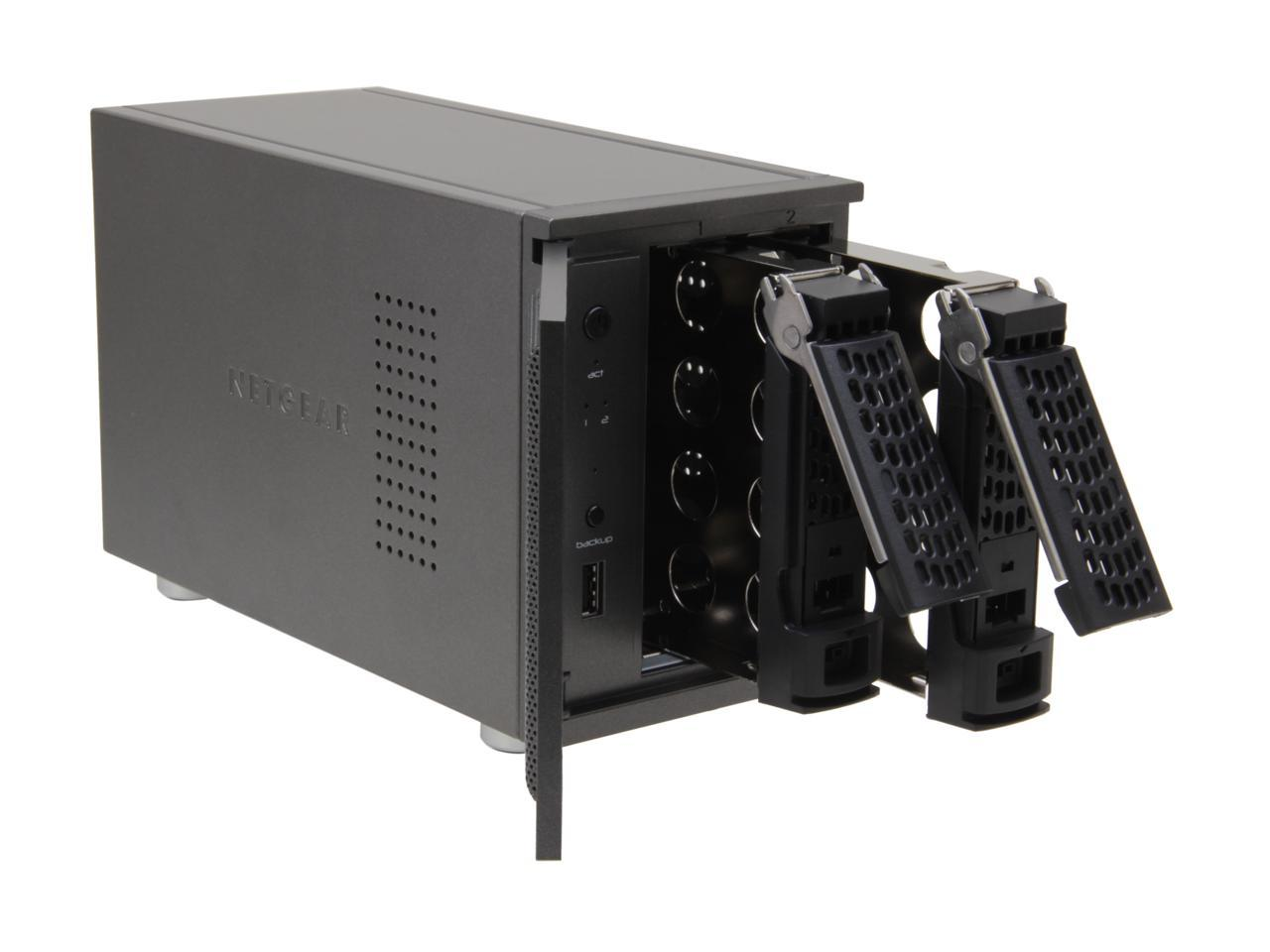
I'm extremely grateful that my storage problems were solved by my dad. He gave me a Netgear ReadyNAS Duo (I believe a hand me down, since he had gotten a bigger one) - a two drive NAS. I was someone familiar with file servers from work, but hadn't even really dealt with a NAS directly before. Thankfully, ReadyNAS made it very easy to set up - a couple of drives go in, they get formatted and added into a RAID-X setup, you set up a shared folder and off you go. I don't recall the size of the drives I had in there by that point (likely in the low 100GB), but one drive would be the redundant backup, so with two 100GB drives, you'd get 100GB of storage. But the key was the redundancy. And holy crap it was just cool to have.
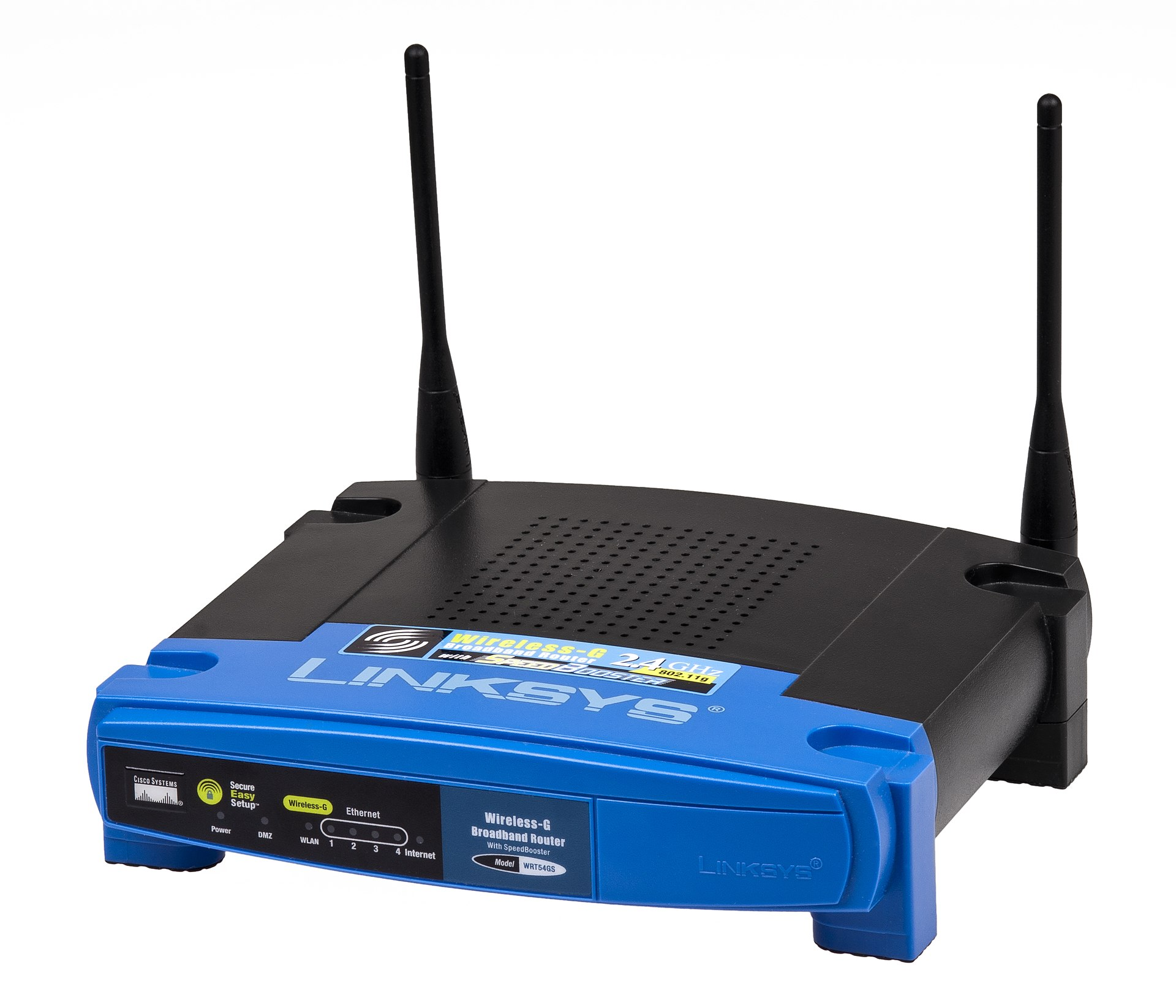
At this point in time, for my home network, I had the same wifi router as everyone else in the world - a Linksys WRT54G
I had my two computers pulled into the network ports and added in the new ReadyNAS. Adding the file share on Windows was easy, but I had to do a bit of learning on how to mount a remote CIFS share from Ubuntu. I definitely remember learning the correct 'mount' command and writing that in my notebook.
It was nice to have some decent storage that I felt safer about. I was able to move all of my pictures and other documents onto it (I had another device called a Drobo to also have a second backup of things) and my new collections of shows/movies had plenty of space to grow. I did have the new limitation of not being able to access it while at work, but USB drives were becoming more popular by this point and somewhere in those final years at Mary Baldwin, I had started using Dropbox (this came out in 2008) and Google Drive a bit.
At this point in my life, I had started hanging out with some friends that worked at JMU a bit more regularly. Three in particular went to the UUG Wednesday dinners (there still weren't really meetings at that point) and they all had pretty robust home network setups compared to mine. But it was cool to have people to talk about it all with - I'd get to hear about new projects they had going on, I'd get to talk about my NAS setup and Ubuntu learnings. We could bounce ideas off each other and I got exposure to things that were still miles above my head.
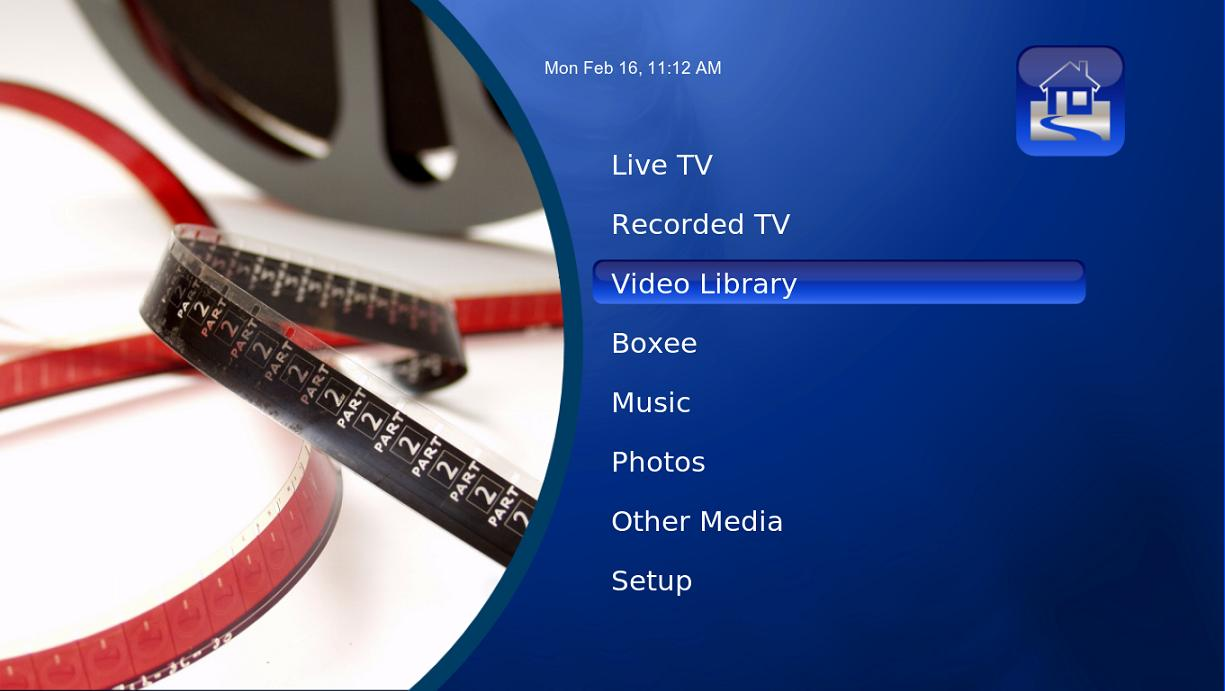
I expressed my desire to "upgrade" my media watching experience. I was pretty much off of DVD watching by this point and onto just watching video files directly. But I decided I didn't want to always have to go through and pick the next episode or even decide what I wanted to watch. I wanted the ability to simply "shuffle" a show or two or have next episodes autoplay. One of the guys showed me about something called MythTV, which provide an interface for playing files off my ReadyNAS. Moreover, there was an entire Ubuntu distro - Mythbuntu - that had it all built in! I excitedly got it installed, mounted the ReadyNAS, and after a bit of figuring out how it all worked - I was off.
Sometime later (all the timing is fuzzy to me) I got into something called XBMC (Xbox Media Center - later renamed Kodi)
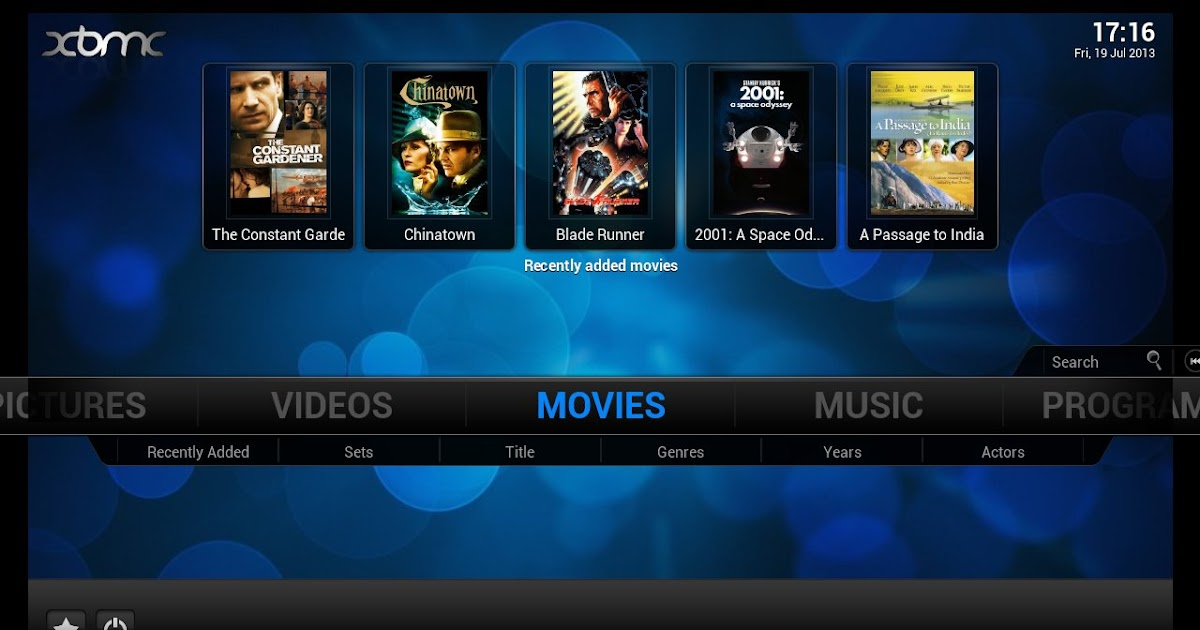
It was an even more polished version of MythTV, basically. I don't quite recall whether I had done much of that on my second computer, but you could actually add in a chip to the Original Xbox that would let you run XBMC on the Xbox itself! I could watch my shows and movies on my TV directly! I was absolutely floored. This changed everything. A buddy had gifted me an original Xbox with this chip and once again, after some learning how things worked and how to mount a file server, I was watching my media from my TV. I could use the Xbox controller as a remote (I think there was another remote control that I got, but honestly don't remember).
I also started playing around with virtual KVMs - something called Synergy - that would let me use the same keyboard and mouse to my other computer! It ran as a simple server/client setup, but it removed my need to have another keyboard/mouse and could simply have a monitor plugged into the desktop. This was one of the earlier starts to me wanting to 'optimize' a setup. Finding small ways to make things work a bit easier or better.
My network was still super basic, but I at least had learned some of the very basics. Me and my friends would have LAN parties at our various houses from time to time. Having a simple switch that we could connect, I knew enough to either set static IPs or let the computers pull 169.254 addresses (which the computer will assign itself, if no DHCP server exists) and then use those to get the computers to talk.
I miss LAN parties. I love that you can play games with friends remotely so easily now, but there was something that was so great about getting a dozen people in a living room, hooking everything up, and just gaming for several hours
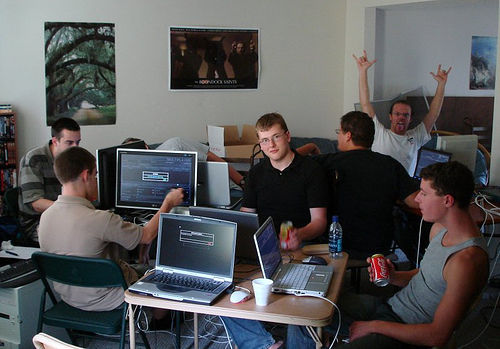
In hindsight, so many of my learning moments came from having a project. Watch some shows on another computer. Get multiple computers together to play Rainbow Six. When you have something to solve for, you have motivation and purpose. I see a lot of folks want to "learn networking" or "learn Linux" which is admirable, but directionless.
In the summer of 2009, I finally moved from my house on Devon Lane to another townhouse. My new housemate and I each had our own bedroom and a shared office down in the basement. The middle floor had our two TVs, side by side, along with our Xboxs/Playstations. My modded Xbox was still my main media player and the file server stayed near the TV (since the internet connection came in there). Initially, we used USB wifi adapters on our main desktops, but I really wanted to move the file server downstairs and having a wired connection was becoming pretty needed. It seemed like it was time for another project...